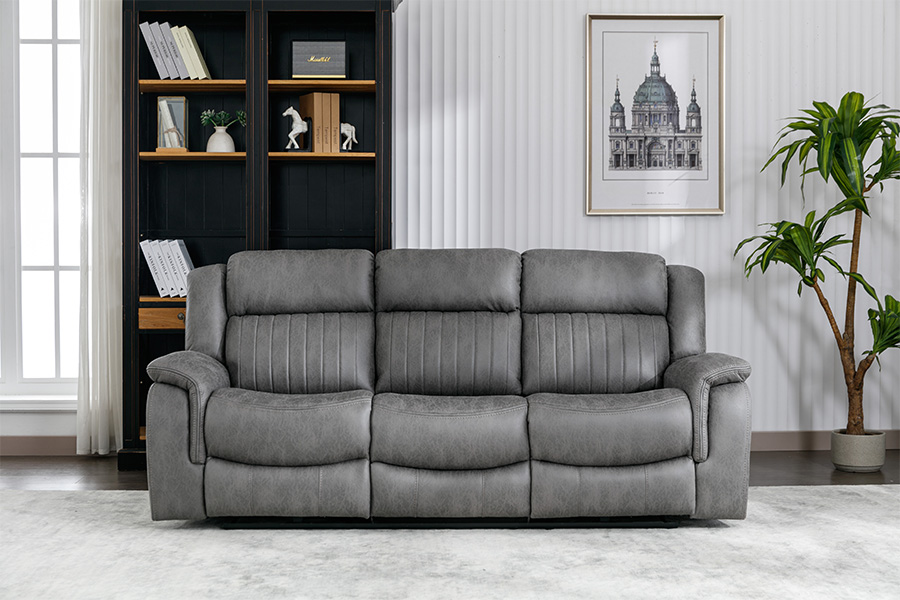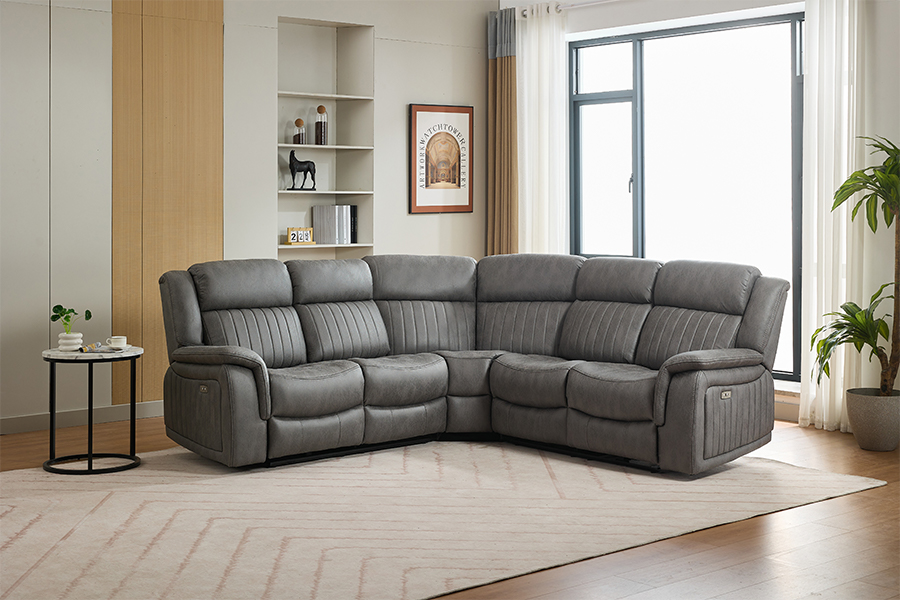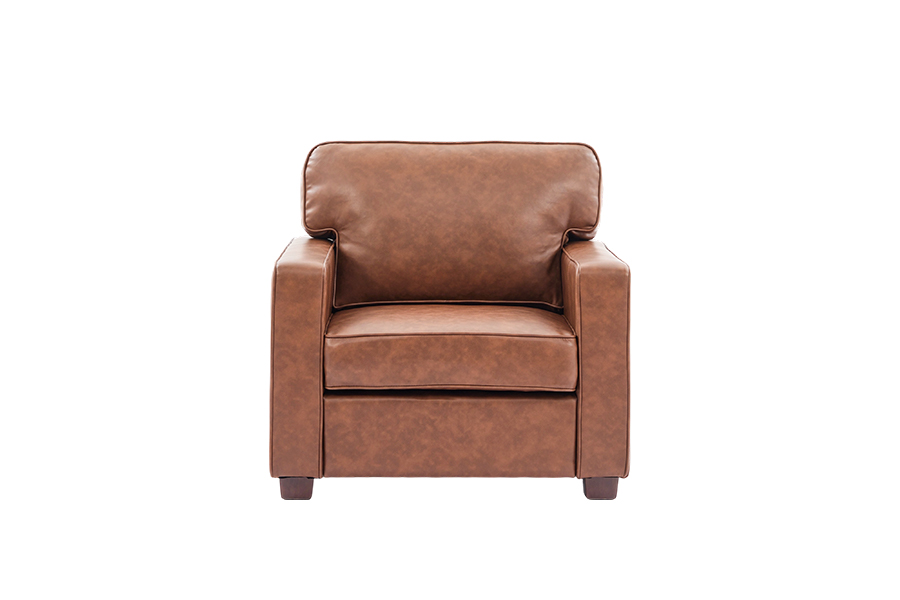
Your living room sofa is more than just a place to sit. It is the anchor of your space, the gathering point for family moments, and often the largest investment in your room's furniture. Yet with countless styles, sizes, fabrics, and price points available today, selecting the right sofa can feel overwhelming. This comprehensive guide will walk you through a proven framework to help you make an informed decision based on your lifestyle, space, and budget.
By the end of this article, you will understand exactly what to look for in a sofa and how to avoid common mistakes that lead to buyer's remorse. Whether you are furnishing a small apartment or a spacious family home, you will have the knowledge to select a piece that works beautifully and functions perfectly for years to come.
Before considering aesthetics or price, ask yourself a critical question: how will this sofa actually be used? Your answer determines everything from fabric selection to structural durability.
A sofa that works perfectly for a couple living alone will fail completely in a household with young children and pets. Think about who will use your sofa and how they will use it. Are there regular gatherings and entertaining? Do pets spend time on furniture? Will children bounce and play on it? The answers shape every specification you should prioritize.
Families with young children need durability above all else. Microfiber fabrics, performance materials, and tightly woven synthetics resist staining and withstand repeated cleaning. Avoid light colors unless you commit to protective treatments. Consider deeper seat depths that allow children to curl up comfortably during movie nights.
Pet owners face unique challenges. Cats can snag and pull loose yarns from certain fabrics, while dogs track dirt and shed fur. Tightly woven fabrics and performance textiles designed to resist snagging work best. Darker colors and patterns hide pet fur and dirt more effectively than light neutrals. Some fabric types, like leather, resist punctures and claws better than others.
Frequent entertainers benefit from larger seating options. A spacious sectional or modular sofa encourages conversation and comfortably seats more guests. Consider configurations that work with your room layout and provide multiple seating heights to accommodate different preferences.
Solo living or couples have flexibility to prioritize comfort and style over durability concerns. You might choose delicate fabrics like linen or velvet that would not survive heavy family use but create a more luxurious aesthetic.
Size mismatch is one of the most common reasons for sofa dissatisfaction. Buying a piece too large for your space creates a cramped, cluttered feeling. Selecting one too small leaves your room looking bare and unfinished. Getting this right requires careful planning and understanding of basic spatial principles.
Interior designers often follow the two-thirds rule: your sofa should occupy approximately two-thirds of the wall length where it sits. This proportion creates visual balance without overwhelming the space or leaving awkward gaps. If your primary wall measures 15 feet, aim for a sofa around 9 to 10 feet long.
Measuring seems straightforward but many people miss critical details. First, measure the wall where your sofa will sit from corner to corner. Note any windows, doors, or architectural features that affect placement. Next, measure doorways and hallways the sofa must pass through during delivery. Many beautiful sofas never make it into homes because they cannot navigate stairs or tight corners.
Measure floor space in front of and around your sofa. You typically want 12 to 18 inches between your sofa and a coffee table, and similar clearance to the television or focal point. Inadequate clearance makes the room feel cramped and makes cleaning difficult.
Account for depth carefully. A sofa with deep arms or overstuffed cushions takes more floor space than specifications might suggest. Place a tape measure in the room and stand at different angles to visualize how a sofa will feel in the actual space.
| Sofa Type | Typical Length | Best For | Minimum Room Size |
|---|---|---|---|
| Loveseat | 48-60 inches | Small spaces, apartments | 8x10 feet |
| Apartment Sofa | 72-84 inches | Studio and one-bedroom apartments | 10x12 feet |
| Standard 3-Seater | 84-102 inches | Average living rooms | 12x14 feet |
| Sectional with Chaise | 90-120 inches | Larger rooms, family use | 14x16 feet |
| Large Sectional | 120 inches | Spacious rooms, entertainment spaces | 16x18 feet |
Sofa length is only part of the equation. Seat depth—the distance from the back cushion to the front edge—profoundly affects comfort and usability. Standard seat depths range from 28 to 42 inches. Shallower seats suit taller individuals who have trouble reaching deep cushions with their feet on the floor. Deeper seats provide more room to lounge but may be uncomfortable for shorter people without back support. Consider the average height of primary users when selecting this dimension.
Pro Tip: Before purchasing, sit on various sofas with these different depths. Notice which feels naturally comfortable without requiring cushions to bridge gaps or leaving you perched on the edge.
Your sofa should complement your interior design vision. When your sofa aligns with your overall style, the entire room feels cohesive and intentional. When it clashes, even a high-quality piece feels out of place.
Mid-Century Modern style emphasizes clean lines, tapered legs, and functional elegance. Look for sofas with exposed wooden frames, geometric silhouettes, and low to medium backs. Neutral fabrics like grey, tan, or muted tones work best, though jewel tones can add sophisticated accents.
Scandinavian design prioritizes minimalism, natural materials, and light color palettes. Sofas in this style typically feature light wood frames, simple cushioning, and pale fabrics. The aesthetic feels airy and uncluttered, making spaces feel larger and more serene.
Contemporary style allows for bold experimentation. Sleek lines, innovative materials, and striking colors define this approach. Contemporary sofas often feature metal frames, unexpected fabric combinations, or sculptural shapes that serve as art pieces in their own right.
Traditional design draws from classic influences and emphasizes comfort and formality. Rolled arms, nailhead trim, and rich fabrics like leather or velvet are common. Traditional sofas often have more substantial frames and ornamental details.
Transitional style blends traditional and contemporary elements. These sofas offer the comfort of traditional pieces with the cleaner lines of modern design. They work well in homes that do not strictly follow one design philosophy.
Industrial style combines raw materials with functional design. Metal frames combined with distressed leather or canvas fabrics create an urban, warehouse-inspired aesthetic. Exposed stitching and structural elements are often highlighted rather than hidden.
A beautiful sofa that feels uncomfortable becomes an expensive mistake. Understanding the engineering behind comfort helps you evaluate sofas beyond their appearance.
How a sofa feels depends largely on its filling materials. Each option offers different characteristics and trade-offs:
Beneath cushions lies the support structure that determines how a sofa feels and how long it lasts. This structure matters as much as filling materials.
Eight-Way Hand-Tied Springs represent the gold standard in traditional sofa construction. Individual springs are tied together at eight points by hand, distributing weight evenly and preventing sagging. This construction is labor-intensive and expensive but provides superior longevity and consistent support. Sofas built with this system often last 15 to 20 years or longer.
Sinuous Springs consist of S-shaped springs connected by wire. This system costs less than eight-way hand-tied construction and still provides decent support, though the springs may not distribute weight quite as evenly. Sinuous springs are common in mid-range sofas.
Metal Webbing uses metal bands stretched across the frame instead of springs. This approach provides lighter support and less longevity than spring systems. It is often seen in budget sofas and very modern minimalist designs where weight distribution is less critical.
Hardwood Plywood Platform sometimes replaces springs entirely, providing a flat, firm surface. While this reduces cost, it does not provide the support and comfort of spring systems. Plywood platforms can feel too firm for many users and may not accommodate heavier individuals.
Backrest design affects both aesthetics and comfort. Low-back sofas (under 30 inches) offer modern, streamlined looks and work well in open-concept spaces by not blocking sightlines. However, they provide limited support for reclining or resting your head. High-back sofas (over 36 inches) offer excellent support for your head and neck, making them ideal for reading or relaxing. The trade-off is that high-back sofas feel more formal and can make spaces feel smaller or more enclosed.
The backrest angle also matters. A slightly reclined backrest (around 100 to 110 degrees) feels more comfortable for extended sitting than a fully vertical back. This slight angle encourages you to settle into the sofa rather than perch on the edge.
Understanding how a sofa is built helps you identify quality pieces that will last decades versus cheaper alternatives that deteriorate within years. Construction quality is often invisible but determines durability more than any other factor.
Kiln-Dried Hardwood is the premium choice for sofa frames. Hardwoods like oak, maple, and ash resist warping, splitting, and bending under weight. The kiln-drying process removes moisture, stabilizing the wood and preventing future movement. Sofas built with kiln-dried hardwood frames last 15 to 20 years or longer without frame failure.
Plywood and Particle Board are budget alternatives that fail more quickly. Particle board especially cannot handle the stresses of repeated movement and may split or separate at joints within a few years. Avoid sofas using particle board in main structural elements.
Frame Construction Methods also vary significantly. Mortise and tenon joints, where wood parts fit together like puzzle pieces, are stronger than simple butt joints held only with screws or nails. Corner blocks—additional wood reinforcements at stress points—indicate quality construction. Premium sofas often have eight-way hand-tied spring systems attached to the frame with individual ties, while budget pieces use stapled connections that fail more easily.
Covering material affects both how your sofa looks and how it performs over time. Each option has distinct advantages and limitations.
| Material | Feel | Durability | Maintenance | Best For |
|---|---|---|---|---|
| Genuine Leather | Smooth, warm, luxurious | Excellent | Regular conditioning | Premium, high-traffic homes |
| Microfiber | Soft, suede-like | Very Good | Vacuum regularly, spot clean | Families with pets and children |
| Linen | Crisp, textured, natural | Good | Regular vacuuming, professional cleaning | Light-use formal spaces |
| Velvet | Soft, plush, elegant | Fair | Professional cleaning needed | Decorative pieces, formal settings |
| Cotton Blend | Soft, breathable, natural | Good | Washable covers, fade-prone | Casual spaces, families |
Genuine Leather ages beautifully and improves with use. It resists staining better than fabrics because liquids bead up on the surface. Leather is ideal for busy households and shows character as it develops a patina over time. The downsides are cost and maintenance. Genuine leather requires conditioning to prevent cracking, and it can scratch or puncture. Pets with sharp claws pose challenges.
Microfiber offers an excellent balance of durability, feel, and maintainability. The tightly woven synthetic fibers resist staining and cleaning is straightforward. Microfiber works well for families and pet owners. The primary disadvantage is aesthetic—some people perceive microfiber as looking less premium than natural materials, though quality has improved significantly.
Linen provides a natural, sophisticated look with excellent breathability. However, linen stains easily and wrinkles naturally. Linen works best in homes without pets, children, or regular entertaining. Professional cleaning is recommended to avoid setting stains.
Velvet creates a sumptuous, luxurious feel but crushes easily and shows footprints and body impressions. Velvet requires professional cleaning and is impractical for high-traffic homes. Reserve velvet for formal living rooms or spaces used primarily for entertaining.
Performance Fabrics are engineered to resist staining and cleaning is easier than natural materials. These synthetic or synthetic-blend fabrics repel liquids and resist fading. They cost more than standard fabrics but provide similar durability to leather with easier maintenance. Performance fabrics have improved dramatically and now offer textures and appearances that feel natural.
Important: Fabric density and thread count matter. Look for fabrics with densities above 15,000 cycles on the Martindale test, which simulates wear. Higher cycles indicate better durability for high-traffic use.
Color is often the last decision but profoundly affects how your space feels and how practical your sofa is long-term. The right color works with your décor, hides wear, and creates the atmosphere you desire.
Neutral tones like grey, beige, taupe, cream, and soft white create calm, versatile spaces. Neutrals never clash with other décor and work with nearly any design style. They also hide moderate wear better than lighter colors. Neutral sofas last longer aesthetically because trends do not date them. The downside is that neutral spaces can feel cold or impersonal if not thoughtfully styled with accessories and accent pieces.
Navy, forest green, deep teal, and warm terracotta create focal points and inject personality into spaces. Bold-colored sofas make strong design statements and establish the room's aesthetic direction. However, bold colors require more thoughtful pairing with other elements and may feel dated as color trends shift. Bold sofas also show pet hair and light-colored stains more visibly.
Consider your daily life when choosing color. Homes with pets benefit from mid-tone colors that hide fur and dirt. White and cream sofas require constant vigilance against staining. Dark colors hide wear but can feel heavy in small spaces. Grey has become popular precisely because it balances practical concerns with aesthetic appeal.
Test colors in your actual space before purchasing. Colors appear different under various lighting conditions. A sofa color that looks perfect in showroom lighting might feel completely different in your living room. Request fabric samples and live with them for several days if possible.
Your sofa should coordinate with existing elements without matching everything identically. A grey sofa pairs well with warm wood tones, natural textiles, and metal accents. A blue sofa works beautifully with warm neutrals and natural wood. Consider the color palette already established by your walls, flooring, and other major furniture pieces. Your sofa should complement, not clash with, these foundational colors.
You have gathered knowledge about lifestyle needs, size requirements, style preferences, comfort factors, and construction quality. Now comes the practical work of actually selecting and purchasing your sofa.
Start with online research to narrow choices based on style, size, and price range. Most manufacturers provide detailed specifications that help you eliminate options that do not fit your space. Create a shortlist of 5 to 10 models that interest you.
Visit showrooms in person to feel fabrics and test comfort. Online photos cannot convey how a sofa actually feels. Sit on potential choices for several minutes. Notice how the cushions feel, whether your feet touch the floor, and if the seat depth feels comfortable. Walk around the sofa and observe it from different angles.
Ask the right questions about frame materials, spring systems, cushion fill, fabric composition, and warranty coverage. Sales staff should be able to answer these questions with specificity. Evasive answers suggest lower quality construction.
Check delivery and assembly policies before purchasing. Will the store deliver? Is there a cost? Will they assemble the sofa and remove packaging? What happens if the sofa arrives damaged? These logistics matter as much as the sofa itself.
Read warranty terms carefully . Quality sofas often come with 5 to 10-year warranties covering structural defects. Understand what is and is not covered. Warranties rarely cover staining or normal wear.
Tip for Budget Shopping: Consider purchasing floor models or display sofas at discounts. These have been used for demonstration but are structurally sound. Significant savings are possible, and you know exactly how the sofa will feel.
Selecting the perfect living room sofa requires balancing multiple considerations: your lifestyle and usage patterns, the physical dimensions of your space, your interior design aesthetic, the comfort factors that matter to you, and the construction quality that ensures longevity. This framework helps you evaluate sofas systematically rather than making impulse decisions based only on appearance or price.
The best sofa is not necessarily the most expensive or the most beautiful. It is the one that fits your life, your space, and your budget while delivering years of comfort and satisfaction. By taking time to understand what you actually need and applying the knowledge in this guide, you will confidently select a sofa you will love for decades.
Your living room awaits its perfect centerpiece. Armed with this comprehensive guide, you are ready to make an informed decision. Explore living room sofas that match your criteria, and invest in a piece that will anchor your home's most important gathering space for years to come.
Ready to Shop? Browse our curated sofa collection featuring styles, sizes, and materials to suit every lifestyle and space. Find your perfect match today.
A well-constructed sofa with quality materials can last 15 to 20 years or longer. Sofas built with kiln-dried hardwood frames, eight-way hand-tied springs, and high-density foam filling typically outlast budget alternatives by 10 years or more. Proper maintenance and care extend lifespan significantly.
A sofa is a single, unified piece, typically seating three people. A sectional consists of multiple pieces that connect together, often forming an L-shape or U-shape. Sectionals provide more seating in larger spaces and allow flexible configurations. Sofas work better in smaller rooms where sectionals would overwhelm the space.
Yes, many manufacturers offer removable cushion covers, though this typically costs more than fixed covers. Removable covers are practical for homes with children or pets. Check the cleaning instructions carefully as some require dry cleaning while others are machine washable.
Cushion firmness is personal preference, but consider your body type and intended use. Heavier individuals benefit from firmer cushions that resist over-compression. Lighter individuals or those preferring lounging comfort may choose softer cushions. A medium-firm option works well for most households and ages better than very soft fillings.
Fabric protectors applied to sofas after delivery create a water-resistant barrier that helps repel spills. Professional stain guards work reasonably well on natural fabrics like linen and cotton. Performance fabrics already have stain resistance built in. Additionally, immediate blotting of spills and regular vacuuming prevent stains from setting.
Leather resists punctures better than most fabrics and cleans easily, making it excellent for pets with sharp claws. However, leather scratches permanently with sharp objects. Microfiber and performance fabrics offer a middle ground, resisting snagging and staining while being less expensive than leather. Avoid delicate fabrics like linen or velvet if you have pets.
Return policies vary widely by retailer and manufacturer. Most custom or made-to-order sofas are non-returnable because they are built specifically for you. Floor models and in-stock sofas often have limited return windows, typically 30 days. Always verify return policies before purchasing, as mistakes can be expensive.
Small apartments typically suit loveseat-sized pieces (48 to 60 inches) or apartment sofas (72 to 84 inches). Opt for pieces with exposed legs rather than skirted bases, as this creates visual lightness. Consider lightly-colored or neutral tones to make the space feel larger. Modular options allow flexible arrangement in tight spaces.
The ideal viewing distance is 1.5 to 3 times the television diagonal measurement. For a 55-inch television, sitting 8 to 14 feet away provides comfortable viewing without eye strain. Too close causes strain and difficulty seeing the entire screen. Too far reduces image detail.
Reupholstering makes sense if the sofa frame and support structure are sound but covering is worn. Reupholstering typically costs 40 to 60 percent of a new sofa price. However, if the underlying structure is failing (broken springs, frame issues), repair costs might equal or exceed a new sofa. Assess the underlying condition before committing to reupholstery.
Kapcsolódó termékek

Szerzői jog © BOSHEN FURNITURE CO., LTD. Minden jog fenntartva.OEM/ODM kárpitozott ülőbútorgyártók